
囊式过滤器

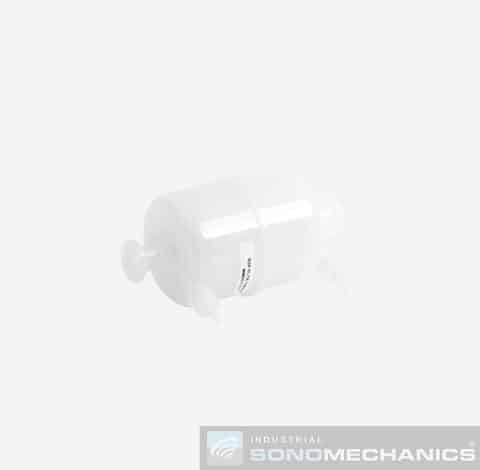
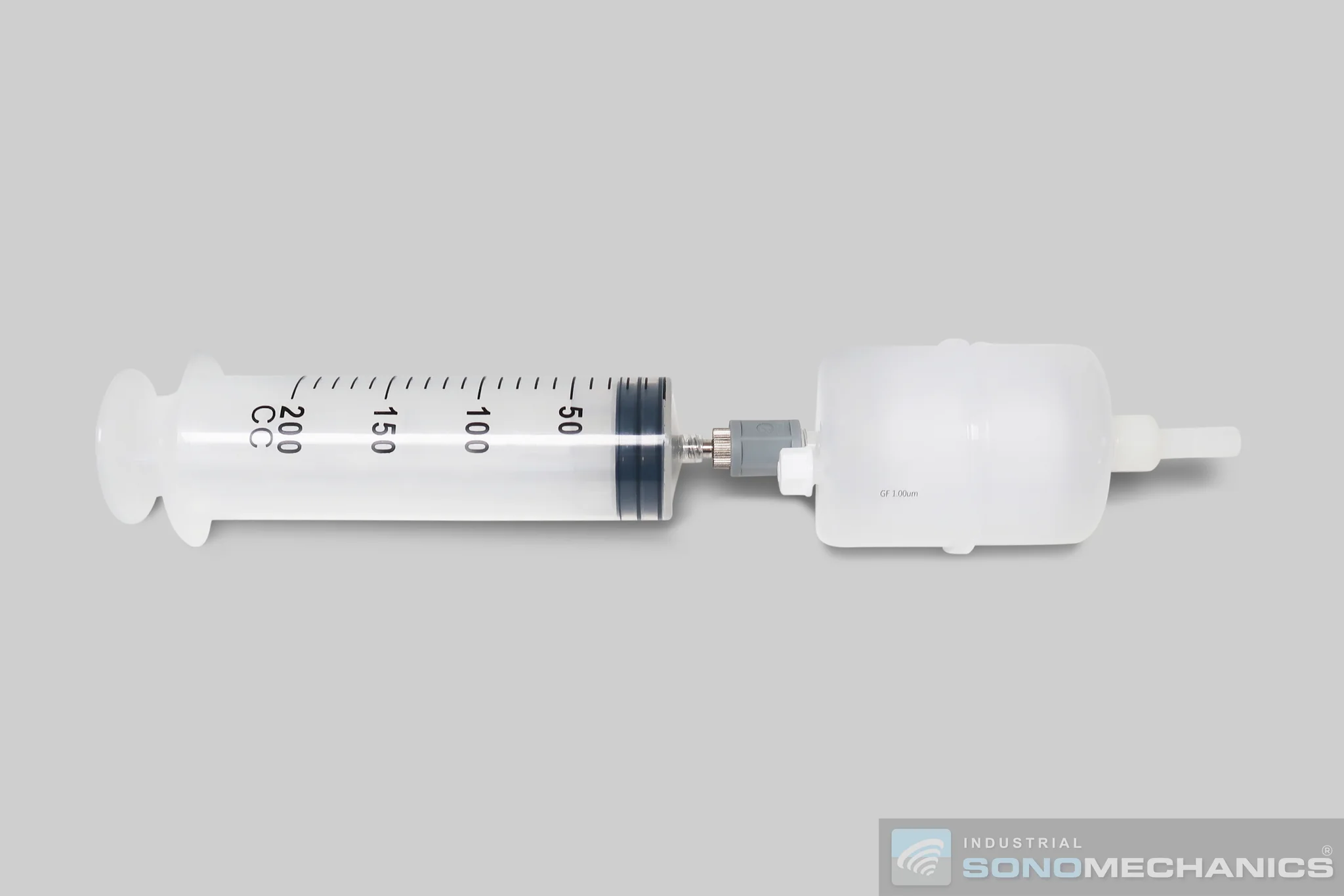
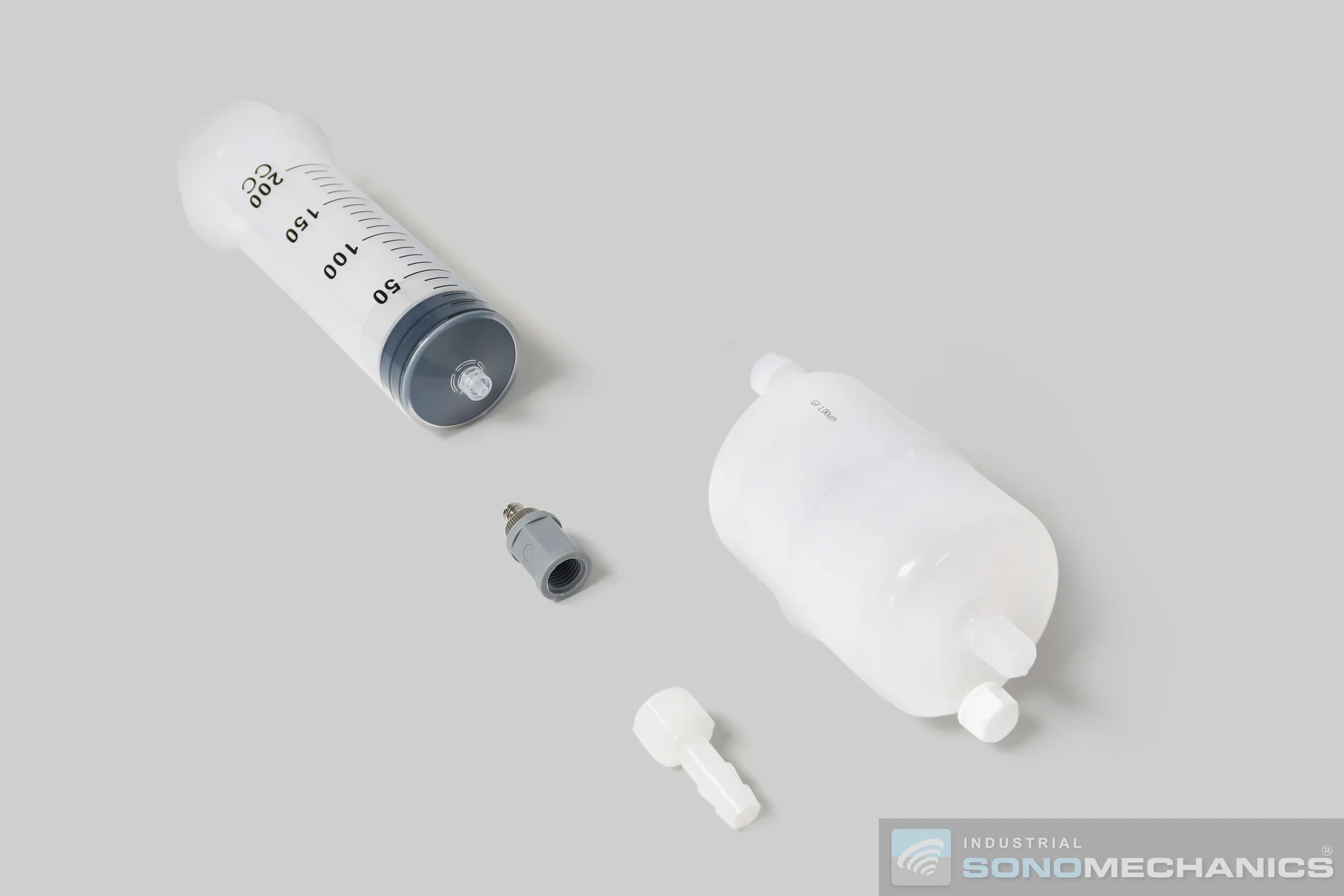
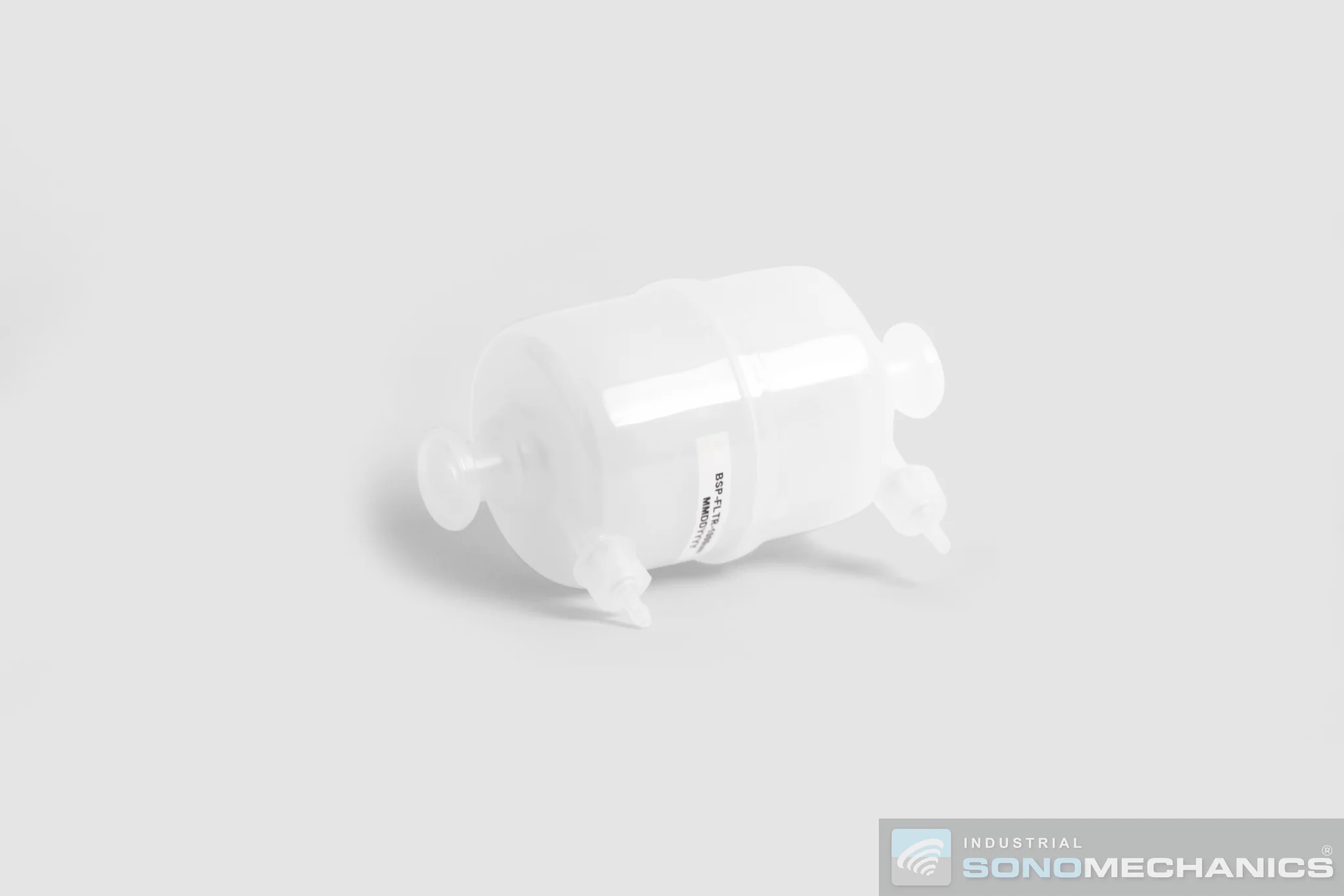
用于 LSP-600 的在线囊式过滤器

通过孔径为 0.22 μm 和 1 μm 的亲水性膜进行过滤,是使用纳米稳定剂®-LT 和纳米稳定剂®-LSO 进行超声波纳米乳化的重要后处理步骤,可去除灰尘、大型微生物、植物残渣及钛颗粒等颗粒物污染。在线囊式过滤器可重复使用,通常可处理数升产品,之后需用纯水进行反冲,以清除膜上截留的颗粒物。

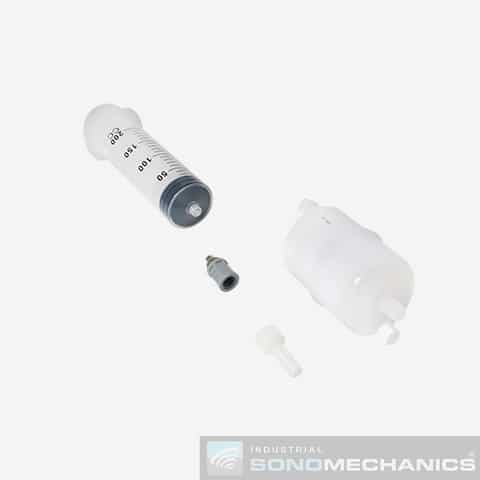
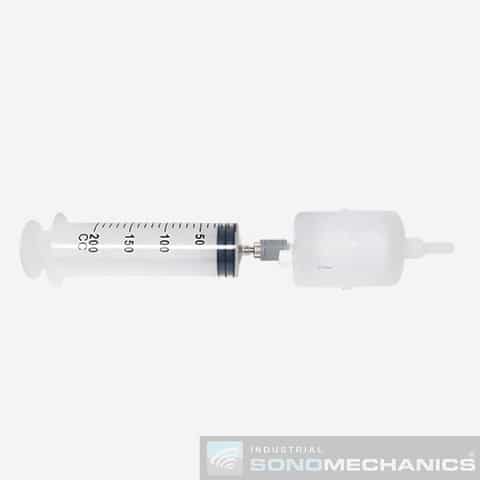
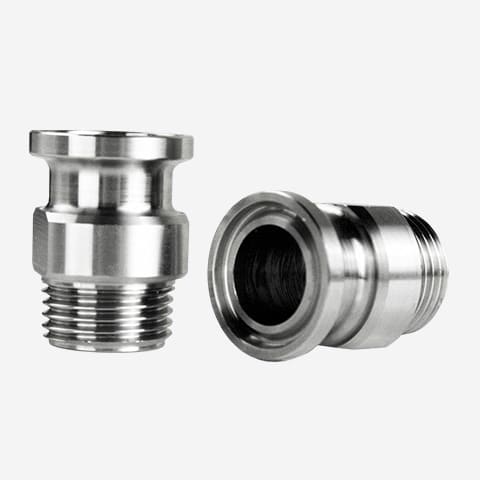
*请注意:垫片、卡箍、适配器和泵不包含在内。

用于 LSP-600 的在线囊式过滤器

通过孔径为 0.22 μm 和 1 μm 的亲水性膜进行过滤,是使用纳米稳定剂®-LT 和纳米稳定剂®-LSO 进行超声波纳米乳化的重要后处理步骤,可去除灰尘、大型微生物、植物残渣及钛颗粒等颗粒物污染。在线囊式过滤器可重复使用,通常可处理数升产品,之后需用纯水进行反冲,以清除膜上截留的颗粒物。

*请注意:垫片、卡箍、适配器和泵不包含在内。

Description

In-Line Capsule Filters for LSP-600

Filtration though a hydrophilic membrane with 0.22 micron and 1 micron pores is an important post-processing step of ultrasonic nano-emulsification with NanoStabilizer®-LT and NanoStabilizer®-LSO, which removes such particulate contamination as dust, large microorganisms, plant matter and titanium particles. In-line capsule filters are reusable and can typically handle several liters of product before having to be back-flushed with purified water to clear out the particulates retained by the membrane.

*Please note that gaskets, clamps, adapters, and pump are not included.

Benefits

  • Remove particulate contaminants (dust, large microorganisms, plant matter, titanium particles) from nanoemulsions.
  • Filter nanoemulsions without rejecting any of the bioactive-containing oil droplets.
  • Achieve higher product purity by eliminating particulate contamination.

Description

In-Line Capsule Filters for LSP-600

Filtration though a hydrophilic membrane with 0.22 micron and 1 micron pores is an important post-processing step of ultrasonic nano-emulsification with NanoStabilizer®-LT and NanoStabilizer®-LSO, which removes such particulate contamination as dust, large microorganisms, plant matter and titanium particles. In-line capsule filters are reusable and can typically handle several liters of product before having to be back-flushed with purified water to clear out the particulates retained by the membrane.

*Please note that gaskets, clamps, adapters, and pump are not included.

Benefits

  • Remove particulate contaminants (dust, large microorganisms, plant matter, titanium particles) from nanoemulsions.
  • Filter nanoemulsions without rejecting any of the bioactive-containing oil droplets.
  • Achieve higher product purity by eliminating particulate contamination.